Understanding CPR Level A vs. Level C: Which First Aid Training Do You Need?

About a million people across Canada receive CPR training every year. Plus, all Canadian workplaces, regardless of jurisdiction, are required to have at least one person trained in CPR.
That said, CPR courses are not all the same. When choosing CPR training, you may come across Level A and Level C courses. Both provide essential skills, but they differ in scope and who they're for.
This guide breaks down the key differences to help you pick the right course for your needs.
What Are CPR Level A and Level C?
CPR Level A is CPR training which is geared towards performing resuscitation on adults who are not breathing and unresponsive. This level also covers choking relief for adults and infants. This level is suitable and usually completed by individuals who usually interact and/or work with adults only. It also includes use of Automated External Defibrillator (AED).
CPR Level C covers CPR techniques for adults, children, and infants who are not breathing and unresponsive. This level also covers choking relief for adults, children, and infants. This is the most common training completed and usually recommended for individuals or workplaces that work or interact with adults, children, and infants. aIt also includes use of Automated External Defibrillator (AED). Level C is ideal if you need a broader skill set for work or volunteering.
Course Level | Who you can treat | Typical learners |
CPR Level A | Adults only (teen/adult) | Low-risk workplaces, parents, community volunteers. |
CPR Level C | Adults + children + infants (all ages) | Healthcare, regulated workplaces, people needing full OHS compliance |
What About AEDs?
An AED is not a “level” of CPR. Rather, it’s a device that gets used during CPR to deliver a shock if needed to the heart to eliminate the abnormal heart rhythm.
Most modern CPR courses include AED training by default. So when you see “CPR-A + AED” or “CPR-C + AED,” that simply means AED use is included in that curriculum.
Who Should Take Level A or Level C?
CPR Level A suits:
Employees in low-risk workplaces
Parents and caregivers needing basic emergency skills
Volunteers in community groups or sports
CPR Level C suits:
Healthcare providers needing comprehensive CPR skills
Workers in higher-risk environments or regulated workplaces
Individuals seeking an OHS-approved certification for employment
Course Duration and Format
Both CPR Level A and Level C training typically combine theory and hands-on practice.
Blended learning option: Complete the online theory module at your own pace, then attend an in-person skills session to practice.
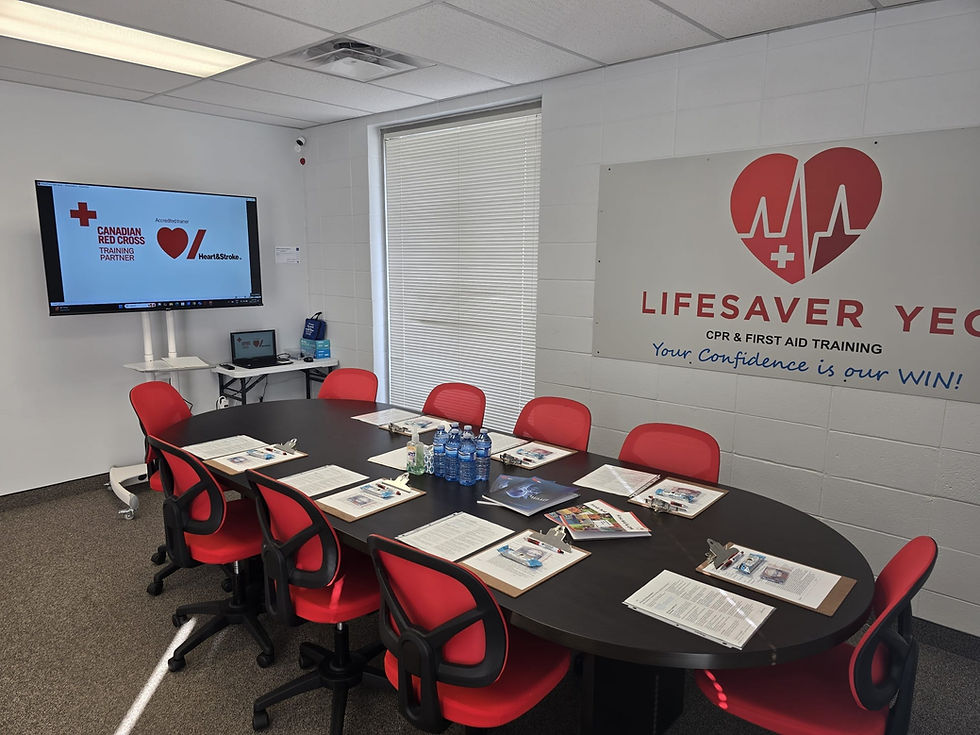
Class sizes: Small groups enable more hands-on practice and one-on-one support.
Course length: Level A usually takes about 3 hours; Level C runs for about 4 hours depending on the course provider.
At Lifesaver YEG, our blended courses respect your time while ensuring you get practical experience.
Complete Your CPR Kit in Seconds Get high-quality equipment to build or fully re-stock your CPR kit [Shop Now] |
Locations and Scheduling
We offer CPR Level A and Level C training at two convenient Edmonton locations. Classes run frequently to fit your schedule. We also provide group and onsite training for workplaces and organizations.
Pricing
Pricing varies by course level and format. Plus, we offer renewal courses and full in-person options. Our transparent pricing means no surprises. Click here to find your course and get the latest dates and pricing.
Certification and Acceptance
You receive same-day certification on course completion.
Our CPR courses are OHS approved and meet provincial requirements.
Employers and institutions widely accept these certifications.
Which Level Should You Choose?
If you work with adults only then you can complete CPR Level A and if you work with different age groups then we recommend you take CPR Level C. CPR training is universal, skills obtained can be used anywhere whether at work, home, or in the community setting. We recommend you take the CPR Level C because you never know who you might be helping.
FAQs
1. Can I upgrade from CPR Level A to Level C later?
Yes. You can take a Level C course anytime and renew your certification accordingly.
2. How long is CPR certification valid?
Certifications typically last three years before renewal is required. Please check your employer or organization’s requirements to confirm validity periods.
3. Are your courses recognized by Alberta employers?
Yes. Our courses are OHS approved and meet provincial standards accepted by employers.
4. Can I take the theory online before attending in person?
Yes. Our blended learning format lets you complete self-study theory online, then join a small, hands-on skills session.
5. Do you offer group discounts?
Yes. Contact us for group pricing and onsite training arrangements.
6. Do I get certified right after the class?
Yes. You receive a certificate upon successful completion of the course.
Are you ready to get certified or renew your skills? Book your seat in one of our upcoming CPR Level A or Level C courses today. Find a course, see the schedule, and get group pricing on our website.
Small classes, blended options, and same-day certification make Lifesaver YEG your practical choice for CPR training in Edmonton.
Comments