Basic First Aid vs. Intermediate First Aid: What You Need to Know

It’s estimated that quick first aid can increase survival rates up to 70%. When it comes to first aid training, however, knowing which course fits your needs is key.
"Basic First Aid (formerly Emergency First Aid) and Intermediate First Aid (formerly Standard First Aid) serve different purposes. Ahmed Kermalli, Director of Lifesaver YEG, says, “Both prepare you to handle medical emergencies, but they differ in depth, duration, and skills covered.”
Find out which may be right for you, how long each course takes, pricing, and more in this blog.
What is Basic First Aid? Who Is It For?
Basic First Aid teaches basic fundamental skills for recognizing and managing common injuries or sudden illnesses until professional help arrives. It is ideal for:
Workplace first responders in low-risk environments
Volunteers or community members seeking basic emergency skills
Individuals looking for a concise introduction to first aid
The course will prepare you to recognise emergency and covers skills such as CPR with AED use, choking relief, recognising heart and attacks and stroke, bleeding control, breathing emergencies, wounds, cuts, burns, and head and neck injuries.
What is Intermediate First Aid? Who Should Take It?
Intermediate First Aid is more comprehensive and offers a more in-depth approach. You’ll learn all Basic First Aid skills plus additional training on:
Managing fractures, head, neck and spinal injuries,
Seizures, diabetic emergencies, poison
Extended patient assessment and care until emergency services arrive
This course suits:
Workers in moderate to high-risk industries
People responsible for large groups or higher-risk settings
Anyone seeking comprehensive first aid training.
All Your Questions Answered by Professionals We answer some of the most common questions about first aid training |
Course Duration and Format
Both courses are available as blended learning options, combining online theory with in-person skills practice. This approach respects your time while ensuring hands-on experience.
Basic First Aid: About 8 hours combined (online + in class skills session)
Intermediate First Aid: About 16 hours combined ( online +in class skills session)
Small class sizes help build real confidence through more practice and individual support.
Where to Take These Courses in Edmonton
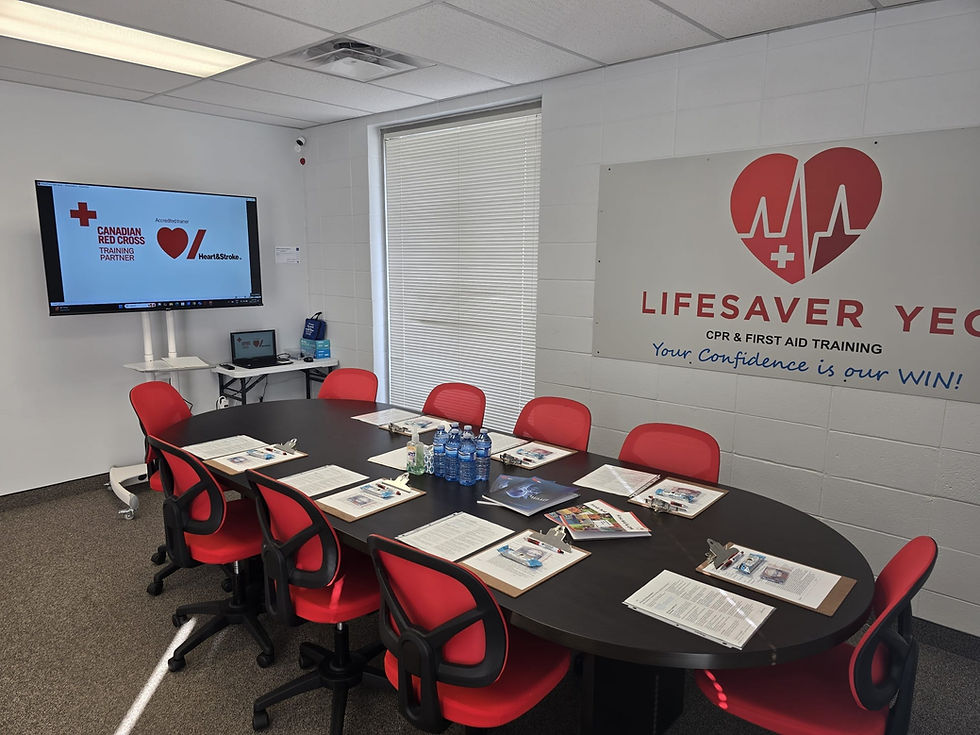
Lifesaver YEG, offers both Basic and Intermediate First Aid courses at two convenient Edmonton locations. Frequent schedules and group or on-site training options make fitting first aid education into your routine easy.
Pricing and Certification
Basic First Aid: Blended course $100; Renewal $90
Intermediate First Aid: Blended course $140; Renewal $110
Upon course completion, you will receive immediate electronic certification. These certifications are OHS approved and meet provincial requirements. Employers, schools, and workplaces widely accept them.
Which Course Should You Book?
If your workplace or role requires comprehensive skills—including and handling severe injuries—Intermediate First Aid is your best option. For general readiness in emergencies or lower-risk work, Basic First Aid covers essential skills efficiently.
Both courses provide practical, hands-on training that helps you act confidently when it matters.
Find a course that fits your schedule. Ask about group pricing or on-site sessions.
Frequently Asked Questions (FAQs)
1. How soon do I get my certificate after completing the course?
You receive your electronic certificate immediately after the in-person skills session, so you can share or print it quickly. You will receive your certification from Canadian Red Cross.
2. Can I renew my certification online?
Renewal courses also have blended options. Complete the online refresh module and attend a shorter skills session to renew.
3. Are these courses accepted by Alberta workplaces?
Yes, both Basic and Intermediate First Aid certifications are OHS approved and meet provincial standards for workplace safety.
4. What is blended learning?
Blended learning means you complete the theory portion online at your own pace, then attend a practical session for hands-on skills. It saves time while ensuring competency.
5. Do you offer training for groups or on-site workplaces?
Yes. Lifesaver YEG offers group pricing and on-site training at your location for flexible, convenient learning.
6. What additional training is in Intermediate First Aid that’s not in Basic?
Intermediate First Aid includes extended patient assessment, and managing serious injuries like bone, joints and muscle injuries, head, neck and spinal injuries, seizure, poisoning, mental health and so on. It’s more comprehensive and suitable for higher-risk environments.
Completing the appropriate training will help you prepare effectively. Whether you choose Basic or Intermediate First Aid, Lifesaver YEG’s small classes, blended options, and immediate certification makes getting trained straightforward and practical.

Comments