Do You Need a Babysitting Course to Babysit? Here’s What You Should Know

Babysitting isn’t “just watching the kids”.
You’re responsible for someone’s child, their safety, and what happens if something goes wrong. So it’s normal to ask:
“Do I really need a babysitting course to babysit?”
Legally, you don’t. But if you want parents to trust you, feel confident on the job, and know what to do in an emergency, proper training makes a big difference.
This guide explains what a babysitting course includes, who should take it, and how our Canadian Red Cross Babysitting Course at Lifesaver YEG works.
What Is a Babysitting Course and Who Is It For?
A babysitting course teaches youth how to care for children safely and responsibly, not just how to keep them entertained.
In the Canadian Red Cross Babysitting Course (Ages 11–15) offered at Lifesaver YEG, students learn:
How to be responsible and show leadership in someone else’s home
How to make good decisions and manage difficult behaviours
Basics of child development, and how care changes by age
Safe ways to feed, diaper, dress, and play with babies and children
How to spot unsafe situations and prevent accidents
Core first aid skills tailored to babysitting
First aid topics include things like:
What to do in an emergency (Check, Call, Care)
When and how to call 911
Recovery position
Choking in babies and children
Basic CPR for babies and children
Asthma, allergies, and using inhalers and epinephrine auto-injectors (like EpiPen)
Minor wounds, nosebleeds, bruises, burns, and more serious injuries like broken bones or head bumps
Seizures and how to keep a child safe until help arrives
There’s also a section on “the business of babysitting”—how to present yourself professionally, talk with parents, and promote your services safely.
This training is ideal for:
Youth 11–15 years old who want to start babysitting
Pre-teens and teens who already help with younger siblings and want to be safer and more confident
Parents and guardians who want peace of mind knowing their child sitter has real training
Do You Have to Take a Babysitting Course?
Short answer: No. There’s no law in Alberta that says you must have a babysitting certificate to watch children.
However, many parents, schools, community programs, after-school or church groups strongly prefer or require that youth have taken a recognized babysitting course, especially one from the Canadian Red Cross.
Think of it this way:
Without a course, you’re relying on common sense and guesswork.
With a course, you’ve actually practiced what to do when a child is choking, has an asthma attack, or gets hurt.
So while it’s not mandatory, it’s one of the easiest ways to stand out as a reliable, prepared babysitter.
How the Babysitting Course Works at Lifesaver YEG
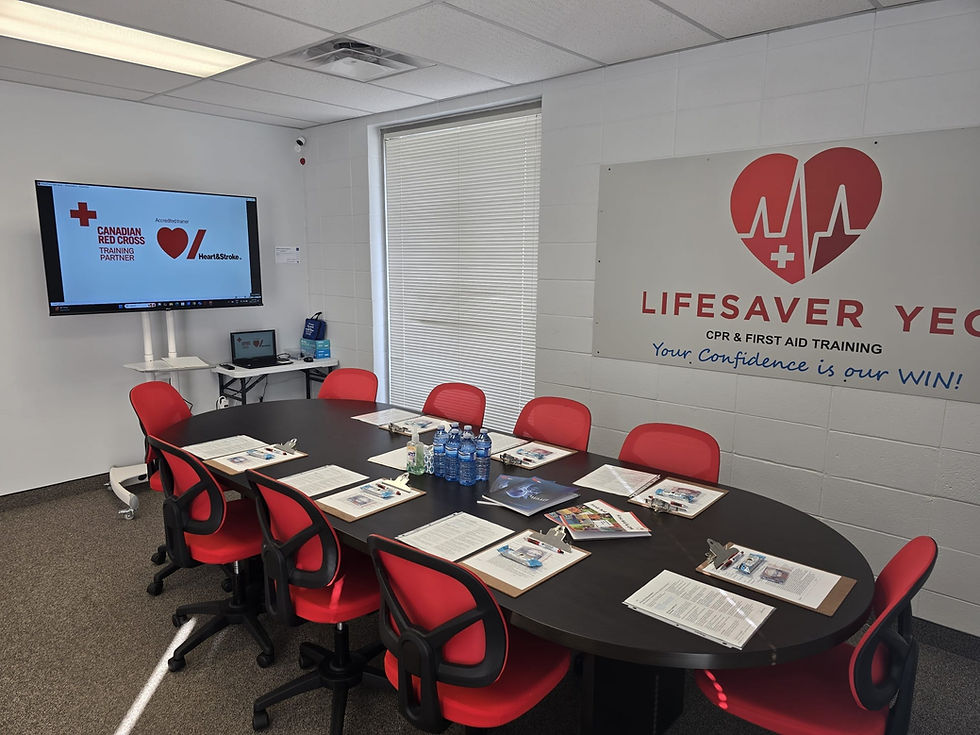
At Lifesaver YEG in Edmonton, we run the Canadian Red Cross Babysitting Course for ages 11–15.
Key details:
Age range: 11–15 years (or completion of Grade 5)
Duration: About 7-8 hours (usually completed in one day)
Cost: $75 per participant
Classes are designed specifically for youth:
Material is age-appropriate and interactive
There’s a mix of teaching, discussion, and hands-on practice
Students practice real-life scenarios such as:
A child falling and hitting their head
A baby choking on food
A child with a nosebleed or minor cut
A child having an allergic reaction
At the end of the course, successful participants receive a Canadian Red Cross Babysitting Certificate, which many parents and organizations recognize and respect.
Why a Babysitting Course Is Worth It
Even if you could babysit without training, here’s why taking a course is a smart move:
1. It builds real confidence
You’re not just guessing what to do. You’ve practiced emergencies, safety checks, and how to stay calm under pressure.
2. Parents trust you more
When a parent sees “Canadian Red Cross Babysitting Certificate” on your profile or when you mention Lifesaver YEG, it tells them:
You’ve invested in training
You understand safety and first aid
You take the job seriously
This often means more job offers and sometimes better pay.
3. You learn how to prevent problems
The best emergency is the one that never happens. The course teaches you to:
Set up a safe play area
Watch for hazards (cords, sharp corners, hot drinks, etc.)
Use safe routines for feeding, diaper changes, and bath time
4. You gain basic first aid skills you’ll use for life
Even outside babysitting, these skills are useful:
Younger siblings at home
Friends at school
Sports and activities
Course Format: Online vs. In-Person
Babysitting courses are most often taught as in-person classes, especially because:
Students practice CPR techniques on mannequins
Instructors can correct hand placement, pressure, and positioning
Role-playing makes it easier to remember what to say and do
Some training centres offer a blended format for other courses (part online, part in-person), but babysitting courses are typically hands-on and classroom-based.
At Lifesaver YEG, our babysitting course is delivered in person so youth get face-to-face instruction and practical practice in a safe, supportive environment.
Ready to Start Babysitting with Confidence?
If you’re planning to babysit in Edmonton, proper training is one of the simplest ways to:
Keep children safe
Feel confident when you’re in charge
Stand out to parents looking for a responsible sitter
Lifesaver YEG’s Canadian Red Cross Babysitting Course (Ages 11–15) gives you both practical skills and a recognized certificate.
Book your Babysitting Course in Edmonton today and start your babysitting journey with real confidence.


Comments