What Should be in a First Aid Box/Kit?

A properly stocked first aid kit contains wound care supplies, tools, and emergency items to handle common injuries and medical situations. Every home and workplace should have basic bandages, antiseptic wipes, pain relievers, scissors, gloves, and emergency contact information readily available.
In this guide, you'll learn the essential supplies for both home and workplace first aid kits, plus maintenance tips to keep your kit ready when emergencies happen.
The contents vary based on location, number of people, and specific risks. Workplace kits must meet provincial Occupational Health and Safety (OHS) requirements, while home kits can be customized for family needs.
Essential Wound Care Supplies
Wound care forms the foundation of any first aid kit. These supplies treat cuts, scrapes, burns, and puncture wounds.
Bandages and Dressings
Adhesive bandages in assorted sizes (minimum 20 pieces)
Sterile gauze pads: 2x2 inch and 4x4 inch (10 of each)
Gauze rolls: 2-inch and 4-inch widths
Triangular bandages for slings and large wound coverage (2 pieces)
Elastic bandages for sprains and joint support (2-inch and 4-inch)
Medical tape: hypoallergenic and waterproof varieties
Wound Cleaning and Protection
Antiseptic wipes or solution (povidone-iodine or alcohol-based)
Hydrogen peroxide for wound cleaning
Antibiotic ointment to prevent infection
Burn gel or cool compresses for thermal injuries
Instant cold packs for swelling and bruising
Medications and Treatments
Over-the-counter medications address pain, inflammation, and allergic reactions. Check expiration dates every six months.
Pain relievers: acetaminophen and ibuprofen (adult and children's formulations)
Antihistamine tablets for allergic reactions
Anti-diarrheal medication
Oral rehydration salts
Aspirin for heart attack situations (adults only)
Prescription medications for known conditions (EpiPens, inhalers)
Inclusion of medications in the workplace first aid kit is not recommended. However, if the organisation determines to have medications in the first aid kit, then a physician is supposed to write policy and procedures for their use.
Essential Tools and Equipment
Proper tools ensure safe and effective first aid delivery. Quality instruments prevent injury during treatment.
Medical scissors: trauma shears cut through clothing and tough materials
Tweezers for splinter and debris removal
Digital thermometer with disposable covers
Disposable gloves: nitrile or latex-free options (minimum 10 pairs)
CPR face shield or pocket mask
Flashlight with extra batteries
Emergency blanket (space blanket) for shock and hypothermia
Emergency Information and Documentation
Critical information enables faster emergency response and proper medical care continuity.
Emergency contact numbers: local emergency services, poison control, family physicians
Basic First Aid instruction cards or quick reference guide
Medical information forms for family members or employees
Pen and paper for recording incident details
Emergency cash in small bills
Workplace-Specific Requirements
Provincial OHS regulations mandate specific first aid supplies based on workplace size and hazard level.
According to the Canadian Centre for Occupational Health and Safety, workplaces with 2-15 employees require basic first aid supplies, while larger workplaces need comprehensive kits with additional items.
"Having the right supplies available can mean the difference between a minor incident and a major emergency," says Ahmed Kermalli, certified instructor and director at Lifesaver YEG. "But supplies are only as good as the person using them."
High-Risk Workplace Additions
Eye wash solution and eye pads
Burn dressings for heat-related injuries
Splinting materials for fracture management
Additional wound dressings for severe bleeding
Stretcher or spine board for serious injuries
Maintenance and Storage
Proper kit maintenance ensures supplies remain effective when needed. Poor storage compromises medication potency and sterile packaging.
Storage Guidelines
Store in cool, dry location away from direct sunlight
Use waterproof containers with secure latches
Keep medications in original packaging with labels
Maintain temperature between 15-25°C (59-77°F)
Ensure easy access during emergencies
Regular Maintenance Schedule
Check expiration dates every six months
Replace used or damaged supplies immediately
Restock items after each use
Update emergency contact information annually
Test flashlight and replace batteries as needed
"A first aid kit is only useful if it's properly maintained," notes Ahmed. "We see too many kits with expired supplies when they're needed most."
Training Makes the Difference
Statistics Canada reports that workplace injuries affect over 925,000 Canadians annually, making proper first aid training essential for both home and work environments.
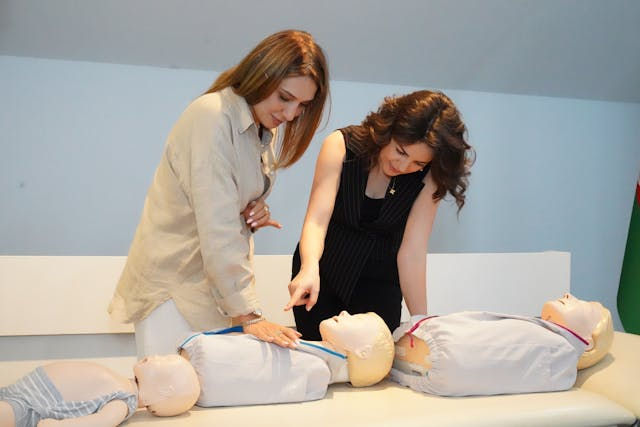
Basic First Aid training teaches proper wound care, medication administration, and emergency response procedures. Small classes provide hands-on practice with real scenarios you might face.
Intermediate First Aid provides comprehensive skills for workplace first aid attendants. Both courses include CPR-AED certification and meet provincial requirements.
Our blended learning combines online modules with in-person skills sessions. You'll receive immediate electronic certification upon completion.
Ready to Learn Proper First Aid?
Having the right supplies is the first step. Knowing how to use them properly makes all the difference in an emergency.
Find a course that fits your schedule. Our Basic First Aid (blended format, $100) and Intermediate First Aid (blended format, $140) courses are OHS approved and meet provincial requirements.
Book your seat today and gain confidence to handle emergencies properly.
Frequently Asked Questions
How often should I replace first aid kit contents?
Replace expired medications and sterile supplies every 2-3 years. Check dates every six months and replace items immediately after use. Adhesive bandages lose stickiness over time, while medications lose potency past expiration dates.
What size first aid kit do I need for my home?
A basic 25-piece kit serves most families of 2-4 people. Larger families or those with medical conditions need expanded kits with additional supplies. Consider one kit per floor in multi-level homes.
Can I make my own first aid kit instead of buying pre-made?
Custom kits often provide better value and specific supplies for your needs. Purchase individual components from pharmacy or medical supply stores. Ensure you include all essential categories: wound care, medications, tools, and emergency information.
What first aid training do I need to use these supplies effectively?
Basic First Aid covers wound care and emergency response basics. Intermediate First Aid provides comprehensive training for workplace attendants. Both include CPR-AED certification and meet provincial requirements.
Where should I store my first aid kit?
Choose easily accessible locations away from heat, moisture, and direct sunlight. Kitchen and bathroom storage often experiences temperature fluctuations. Consider bedroom closets, hallway cabinets, or dedicated first aid stations.
Do workplace first aid kits require different supplies than home kits?
Yes, workplace kits must meet provincial OHS requirements based on employee count and hazard assessment. High-risk workplaces need additional supplies like eye wash, burn dressings, and splinting materials. Consult your provincial OHS guidelines for specific regulations.


Comments